
Newsroom
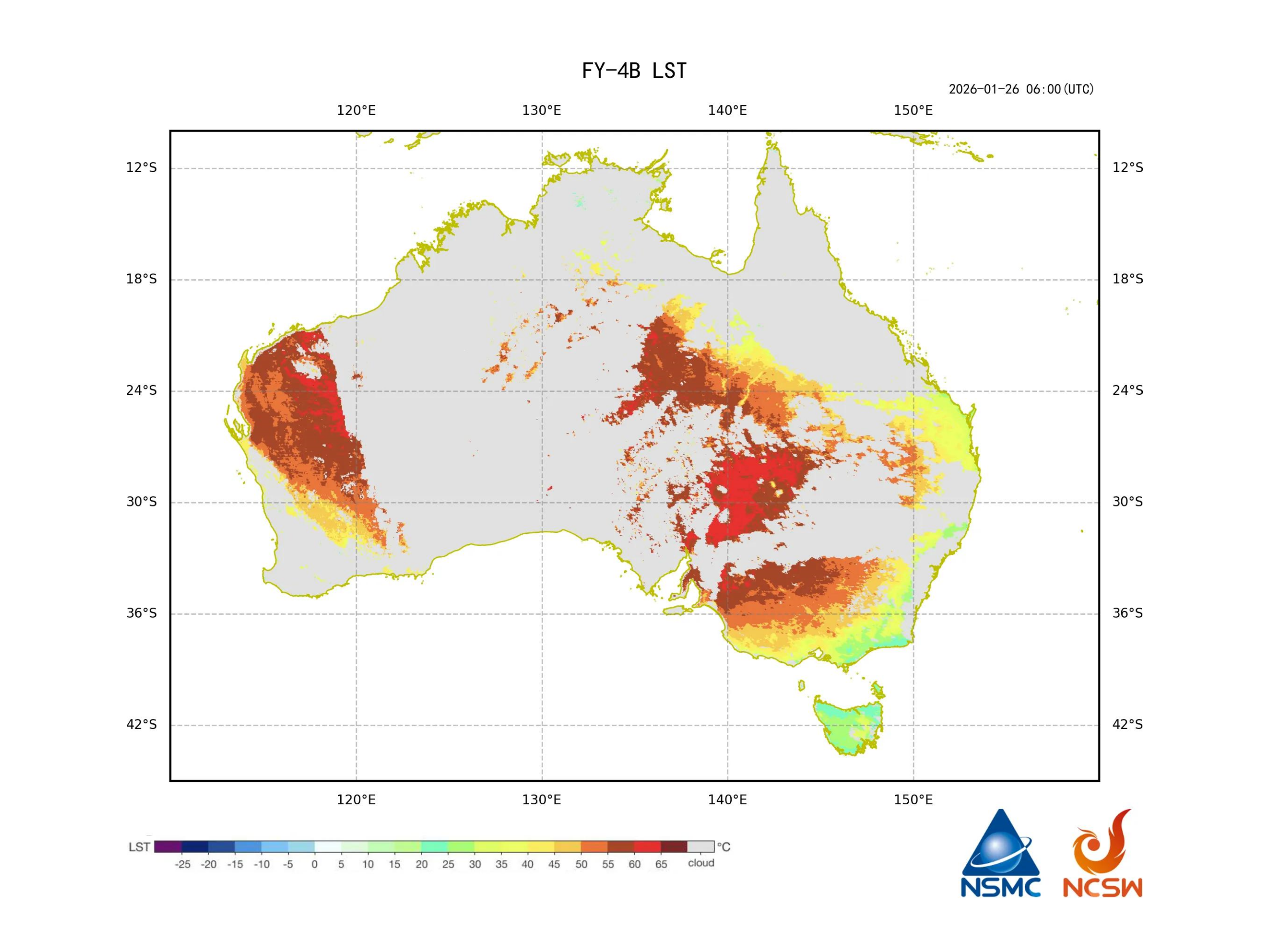
Early 2026 saw Australia endure its most severe heatwave in six years. By late January, extreme temperatures swept across the southeast, with land surface temperatures soaring above 55°C across South Australia and Western Australia, and localised areas exceeding 60°C.
This heatwave exhibited multiple characteristics: prolonged duration, extensive coverage, unprecedented intensity, and localised record-breaking temperatures. This extreme weather event subjected the National Electricity Market (NEM) and the rapidly expanding grid-scale battery energy storage systems (BESS) to unprecedented operational challenges.
Reports indicate that the combination of sustained high temperatures and peak loads is exposing operational constraints in certain energy storage systems under extreme conditions. High temperatures not only accelerate battery degradation and reduce charge/discharge efficiency but also impose stringent demands on thermal management systems, safety protocols, and long-term reliability. Against a backdrop of increasing climate uncertainty, the “environmental adaptability” of energy storage equipment has become a key metric for assessing its core value.
Confronting Australia's unique complexities—extreme heat, aridity, and significant diurnal temperature variations—Pytes low-voltage and high-voltage battery energy storage systems undergo rigorous environmental adaptation testing, specifically engineered for extreme climates. Key features include:
Low-Voltage Series: Flexible Deployment, Unaffected by Thermal Fluctuations
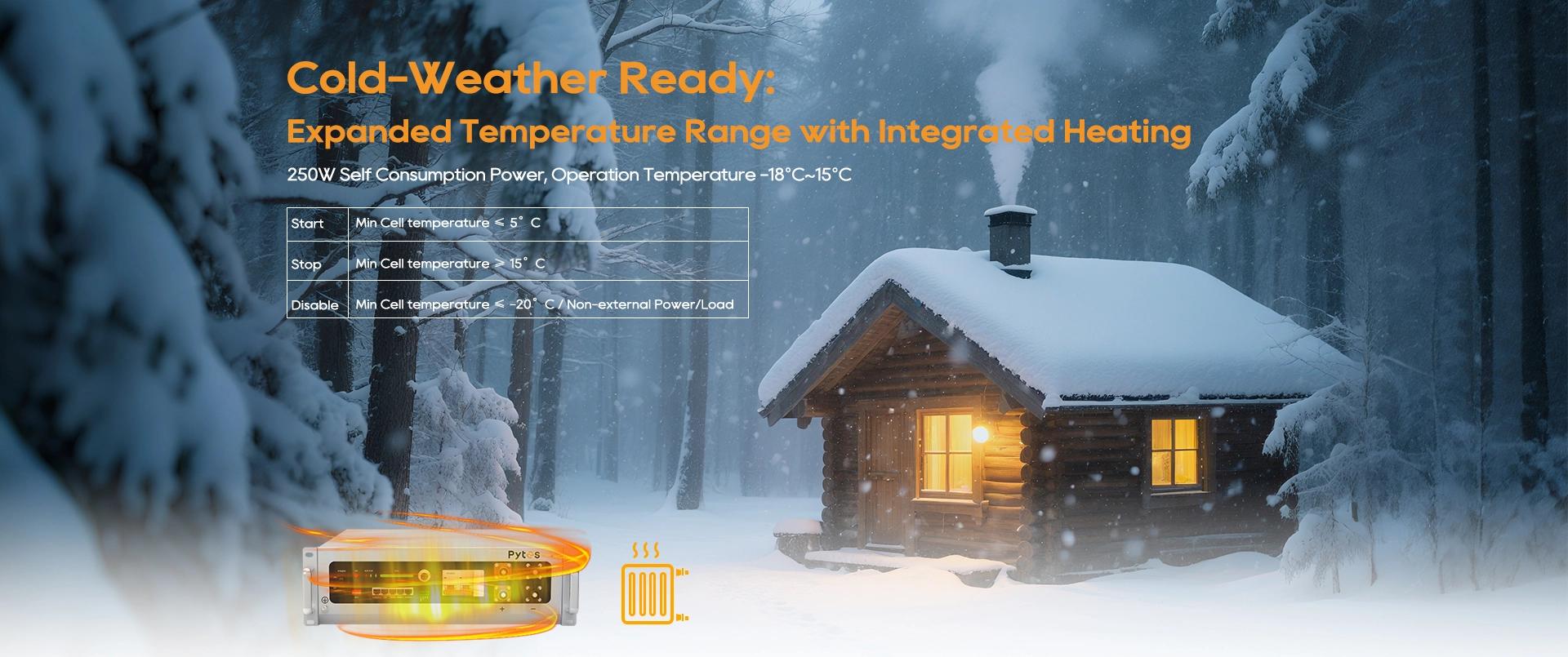
● E-Box 48100R / V5°α Plus: Operating ambient temperature range -10°C to 50°C, suitable for residential and small commercial/industrial applications. Maintains full power output in high temperatures and facilitates easy cold-start operation.The V5°α Plus also features an integrated heating pad, enhancing performance in cold weather conditions.
● Pi LV1: Operating ambient temperature range -10°C to 50°C. Designed with reserved internal ventilation space and an efficient heat dissipation structure to help prevent rapid temperature rise and maintain stable performance during prolonged heatwaves.
High-Voltage Series: Grid-grade reliability, poised for extreme environments
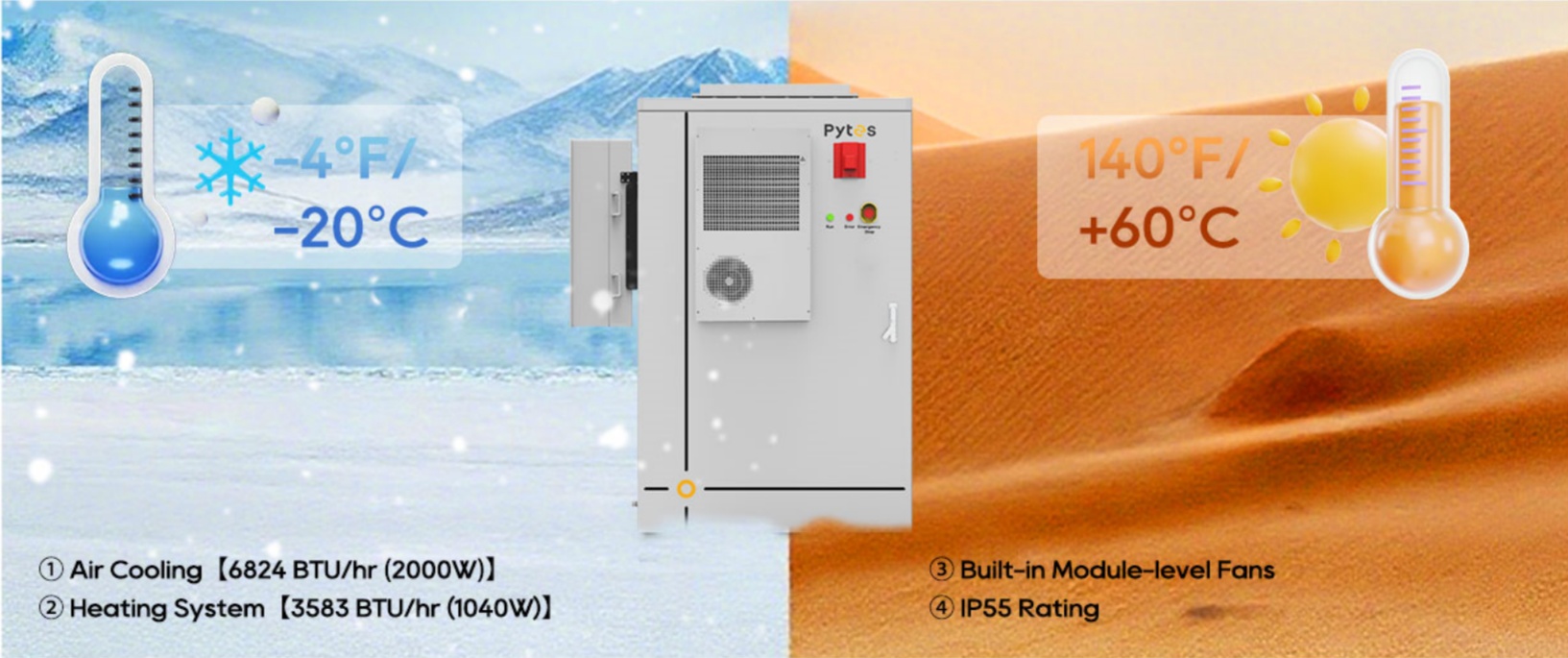
● HV48100SE: Operating ambient ttemperature range -20°C to 60°C, featuring wide-temperature-range cells capable of withstanding Australia's extreme inland heat;
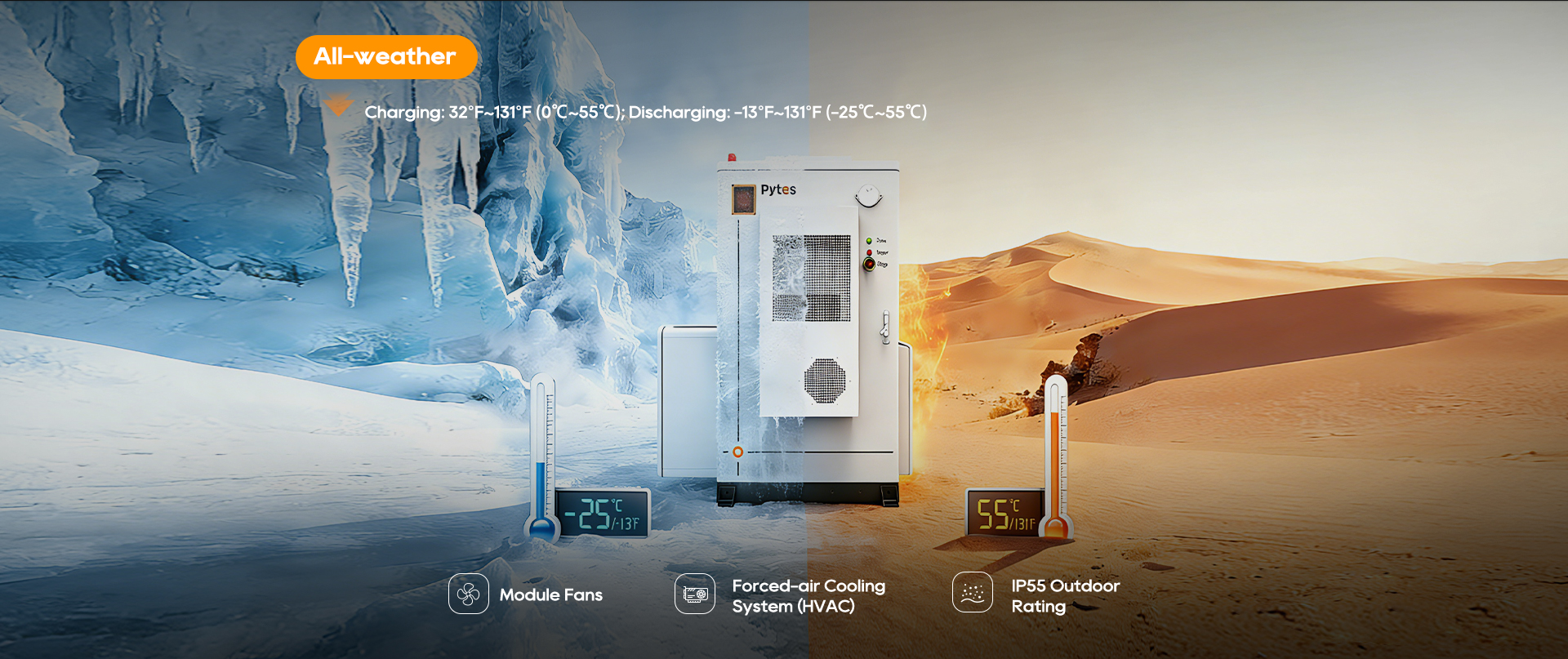
● HV48300: Operating ambient ttemperature range -25°C to 55°C, optimised for high-altitude, intense sunlight, and large temperature variation scenarios, ensuring stable operation throughout the lifecycle of grid-side energy storage projects.
These technical advantages enable Pytes' battery energy storage systems to deliver continuous, reliable power supply to commercial and residential users amidst climate change and extreme weather events. This is particularly crucial in Australia's remote and high-temperature regions, helping users avoid the risks of power outages and supply instability.
Technology-Empowered: Transforming Energy Storage into Climate-Resilient Infrastructure
Equipped with intelligent environmental sensing and adaptive control technology, Pytes' system continuously monitors parameters such as ambient temperature, humidity, and solar irradiance. It dynamically optimises charging/discharging strategies and thermal management power to maximise energy availability while ensuring operational safety.
Furthermore, core products have obtained international authoritative certifications including CEC, UL9540, and IEC62619, alongside specialised compliance design for Australia's AS/NZS 5139 standard, providing robust assurance for project delivery and long-term operation.
Extreme weather events have become the norm in Australia, where harsh conditions place stringent demands on equipment stability—choosing the right energy storage solution equates to fortifying the grid's safety defences. As Australia accelerates its renewable energy transition, energy storage systems will play an increasingly vital role in frequency regulation, peak shaving, and black start scenarios.
In response, Pytes will continue to deepen localised services and technological adaptation. Collaborating with partners, we deliver highly reliable, adaptable, and intelligent energy storage solutions to help Australia build a more climate-resilient power system.