
Newsroom
The Pytes V16 is a 51.2V low-voltage lithium iron phosphate (LiFePO₄) energy storage battery with a 16.07kWh capacity, designed for residential and small commercial solar energy storage systems. Proper wiring during installation is essential to ensure safe operation and stable system performance.
This guide provides an overview of the DC connection method, polarity requirements, and built-in protection features of the Pytes V16 battery system.
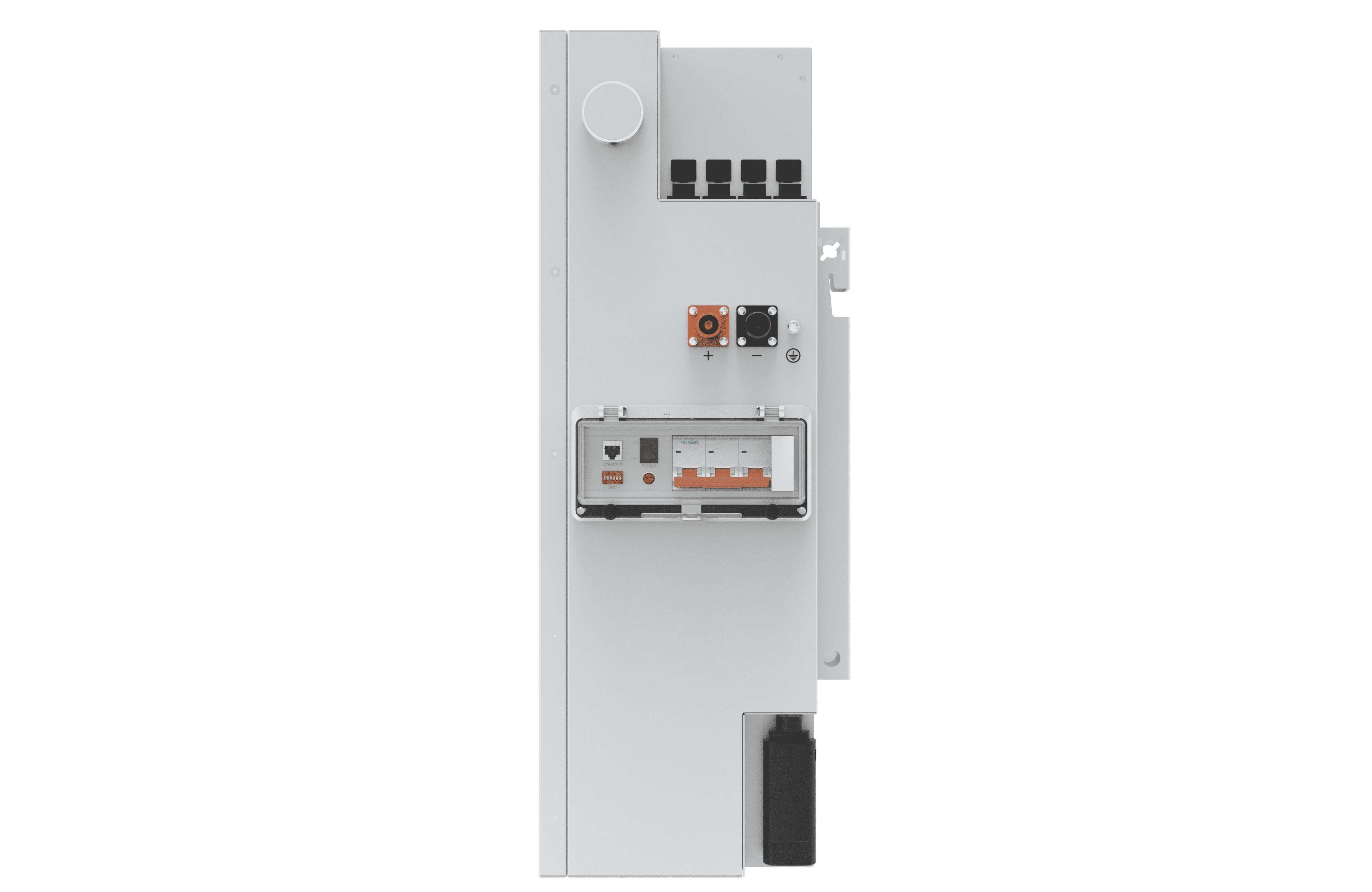
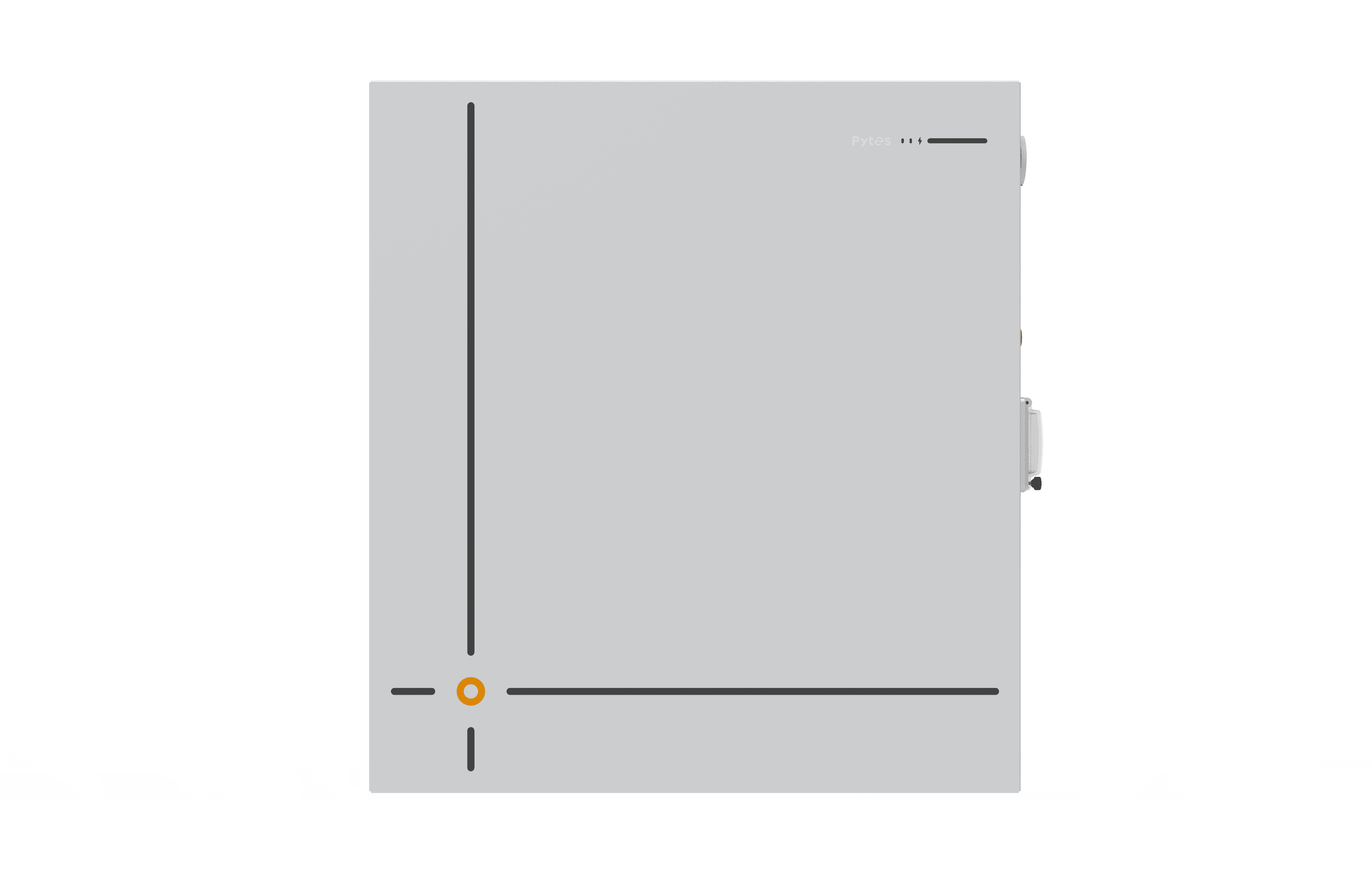
The Pytes V16 operates in a low-voltage DC system and is designed to connect with compatible hybrid or off-grid inverters. It supports a maximum continuous discharge current of 200A (10.24kW) .
During DC connection:
Connect the battery DC terminals directly to the inverter DC input
Ensure all terminals are securely tightened to maintain stable electrical contact
Follow the inverter manufacturer’s recommended DC input specifications
A correct DC connection is essential to ensure proper system startup and stable energy transfer between the battery and inverter.
Correct polarity must be strictly observed during installation:
Positive terminal (+): Connect to the inverter’s positive DC input
Negative terminal (-): Connect to the inverter’s negative DC input
Reversing the polarity is not allowed and may result in system malfunction or damage to system components.
To ensure correct installation, always verify terminal labeling before connecting the system.
The Pytes V16 is equipped with an internal Battery Management System (BMS) along with additional hardware protection devices (including a current limiter, integrated DC breaker, pre-charge circuit, and aerosol fire suppression) to ensure safe operation.
The built-in protection functions include:
Overcurrent protection
Overvoltage protection
Undervoltage protection
Short-circuit protection
Temperature protection
Aerosol fire suppression
The BMS continuously monitors key battery parameters such as voltage, current, and temperature to help maintain stable and safe operation under different working conditions.
In typical solar energy storage system designs, the following practices are strongly recommended for safety and reliability:
Proper grounding for system safety
Surge protection devices for electrical stability
External DC circuit breakers between the battery and inverter are optional but add an extra layer of protection.
These practices and devices are commonly used in solar system integration to enhance overall electrical safety and system reliability.
To ensure proper installation of the Pytes V16 system:
Ensure all power sources are switched off before wiring
Check all cable connections are secure and correctly labeled
Avoid loose or improper terminal connections
Follow standard solar installation procedures recommended for the inverter system
Proper installation helps ensure stable system operation and long-term battery performance.
The Pytes V16 battery system is designed for safe and efficient energy storage in low-voltage solar applications. Correct DC connection, proper polarity alignment, and understanding of the built-in BMS protection system are essential for stable operation.
Following standard installation practices and inverter manufacturer guidelines ensures reliable performance and safe system integration in residential and commercial energy storage applications.