
Newsroom
When selecting a battery for an energy storage system, users often focus on important factors such as capacity, safety, and cycle life. However, inverter compatibility is another critical consideration that can directly influence system performance and installation experience.
A battery and inverter need to communicate properly to achieve efficient energy management. Compatibility between these components helps ensure stable operation, smoother installation, and easier system maintenance.
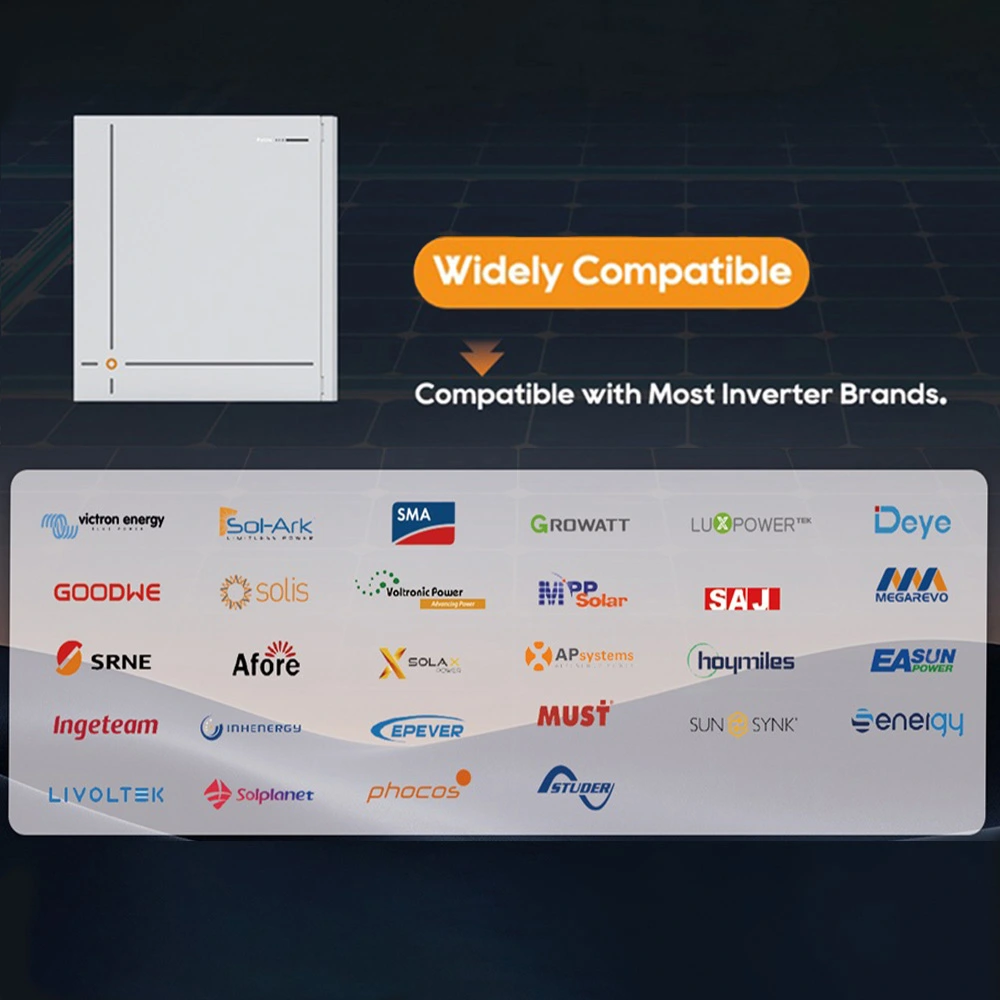
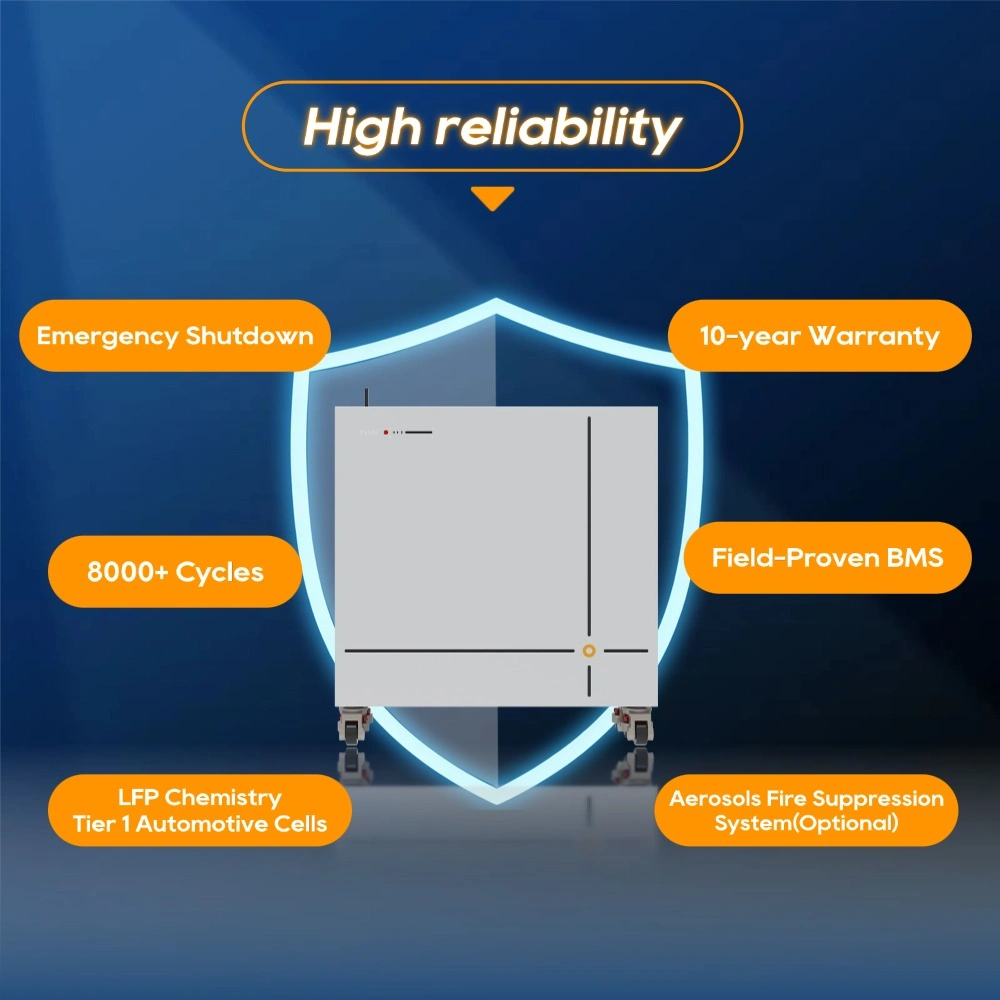
For modern energy storage solutions, batteries such as Pytes V16 and V16 Lite are designed with flexible communication capabilities and broad compatibility with mainstream inverter brands including Sol-Ark, Victron, SMA, Solis, Growatt, Goodwe, and more, making them a versatile choice for various system designs.
The battery and inverter work together as the core components of an energy storage system. While the battery stores and provides energy, the inverter manages power conversion and system operation.
To coordinate effectively, the two components need to exchange information through communication protocols such as CAN and RS485.
This communication allows the battery to share important information, including:
With proper communication, the inverter can better understand battery conditions and adjust its operation accordingly.
The Battery Management System (BMS) plays an important role in monitoring and protecting the battery.
When the battery BMS communicates effectively with the inverter, the system can achieve better coordination during daily operation.
The inverter can adjust charging behavior according to battery conditions, helping maintain stable operation.
During energy use, communication between the battery and inverter helps manage power output according to battery status and operating limits.
The BMS can provide protection information to the inverter when abnormal conditions occur, helping improve overall system safety.
Therefore, inverter compatibility is not only about physical connection. It also depends on whether the battery and inverter can communicate effectively.
For installers, choosing a battery that is compatible with the inverter can reduce installation complexity.
Compatible battery and inverter systems can help with:
Pytes V16 supports communication interfaces including CAN, RS485, WiFi, and Dry Contact. Pytes V16 Lite also provides the same multiple communication options, with variations in power characteristics to suit different system needs.
Energy storage systems are designed for long-term operation, making convenient maintenance an important consideration.
Good communication between the battery and inverter helps improve:
Battery information can be accessed more efficiently, allowing users and installers to better understand system operation.
Clear communication data helps installers identify potential issues and improve troubleshooting efficiency.
When the battery and inverter work together properly, the energy storage system can operate more reliably over time.
Before selecting an energy storage battery, users should consider:
Choosing a compatible battery can help avoid communication issues and create a more reliable energy storage solution.
Pytes V16 and V16 Lite are designed to support flexible energy storage system integration through inverter compatibility and intelligent battery management features.
With communication interfaces and support for compatible inverter systems, these batteries help simplify installation and improve overall system management.