
Newsroom
Both the HV48100 and HV48100-SE are part of Pytes’ high-voltage energy storage lineup designed for commercial and light industrial applications. They support modular expansion and can be integrated with photovoltaic systems, backup power solutions, and distributed energy storage systems.
The key distinction between the two models lies in their intended installation environments:
HV48100 is primarily designed for indoor applications
HV48100-SE is designed for outdoor and more demanding environmental conditions
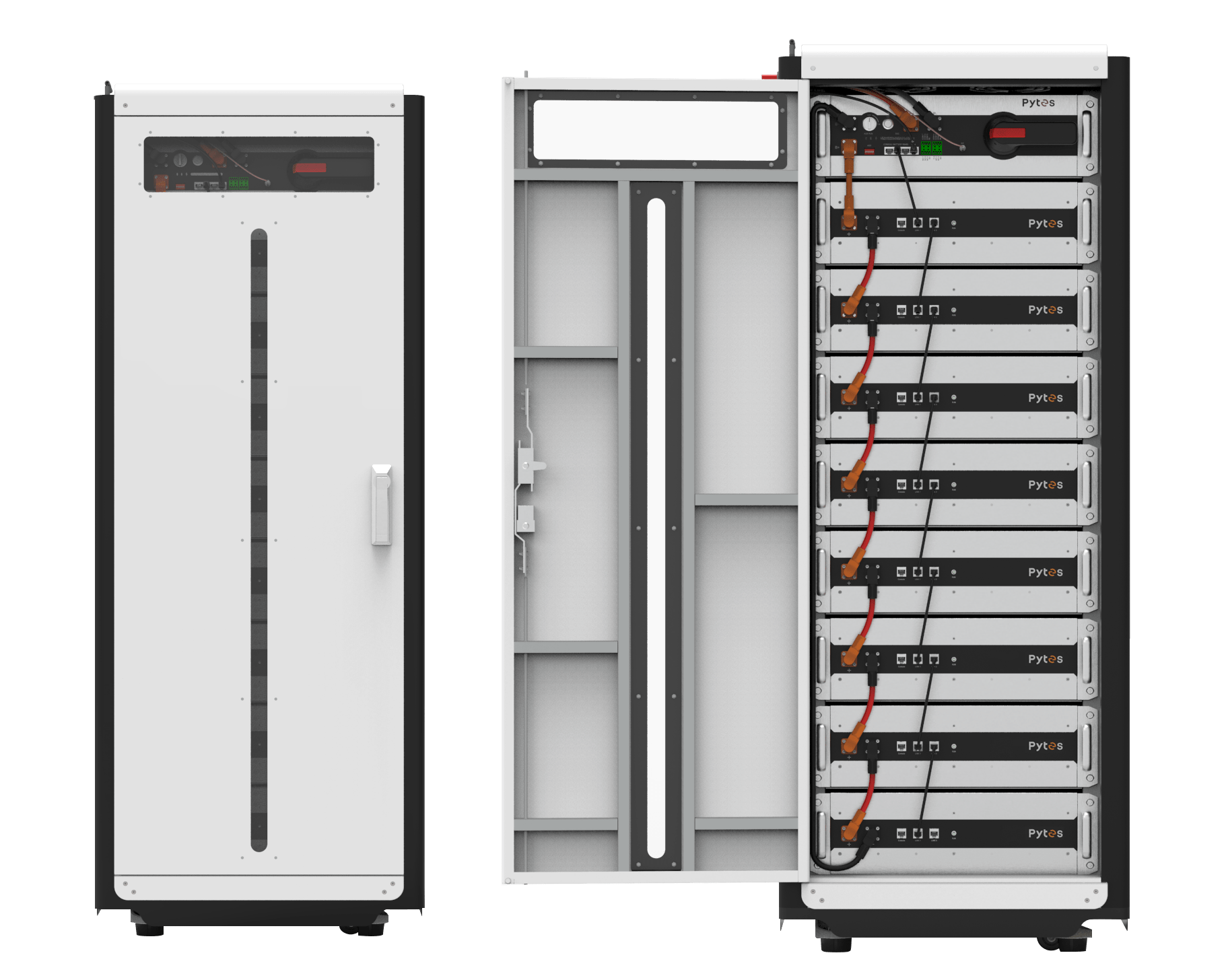
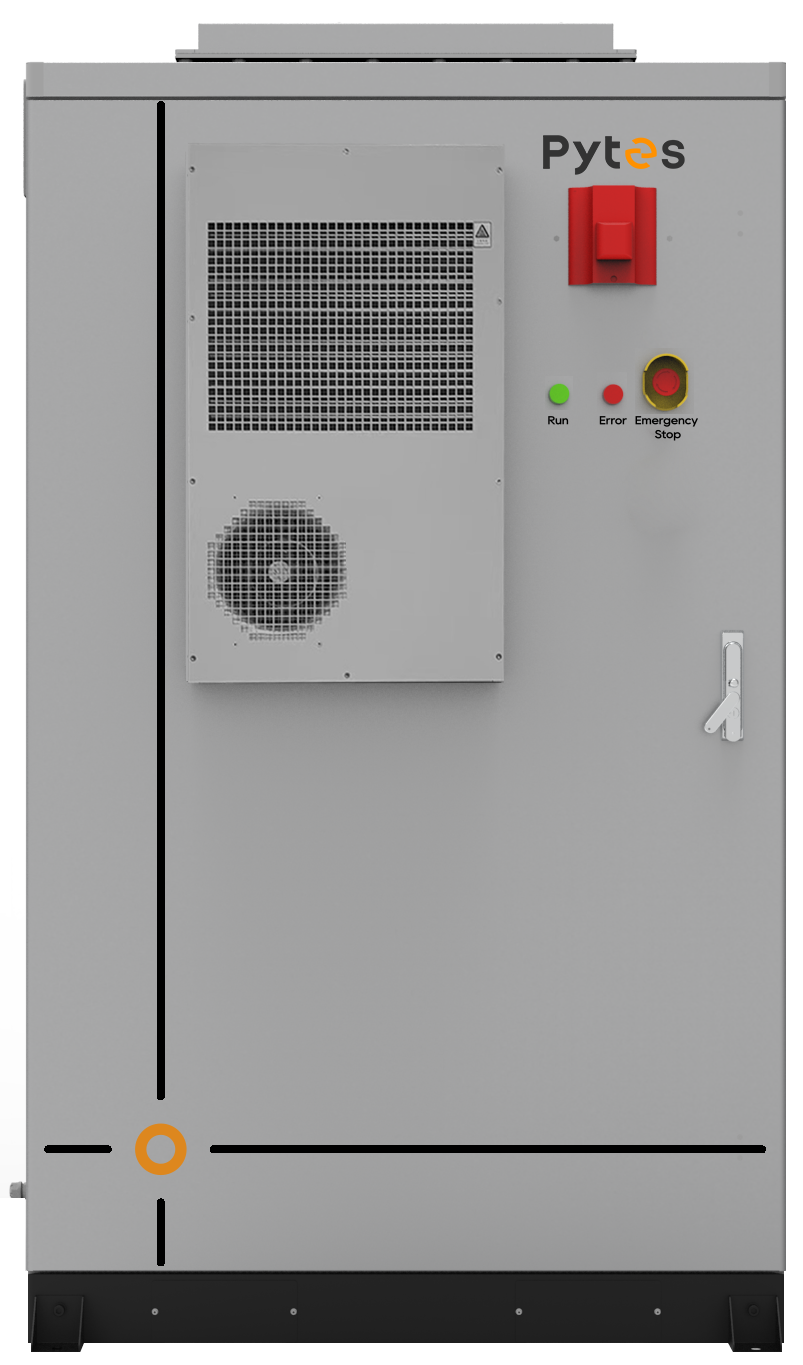
HV48100 – Indoor Energy Storage System
The HV48100 is suitable for controlled indoor environments such as:
Commercial buildings
Small to medium-sized factories
Indoor EV charging infrastructure
Office backup power systems
It is designed to operate in environments where temperature, humidity, and external exposure are relatively stable and managed.
HV48100-SE – Outdoor Energy Storage Cabinet
The HV48100-SE is engineered for outdoor deployment scenarios, including:
Industrial parks
Outdoor microgrid systems
Distributed energy storage sites
Remote or infrastructure-limited locations
It features a reinforced cabinet structure to ensure stable operation under external environmental exposure.
HV48100 – IP20 Protection
Suitable for indoor installation
Provides protection against solid objects
Requires controlled installation conditions
Typically deployed in dedicated indoor battery rooms or cabinets
HV48100-SE – IP55 Protection
Designed for outdoor environments
Provides protection against dust and water jets
Enables deployment in rain, wind, and dusty conditions
Supports flexible installation without building-level enclosure requirements
HV48100 Thermal Design
The HV48100 adopts a standard thermal management approach suitable for indoor environments, relying on controlled airflow and installation conditions to maintain stable operating temperatures.
HV48100-SE Thermal Design
The HV48100-SE integrates an enhanced thermal management system, which may include:
Air cooling system
Heating components for low-temperature environments
Intelligent temperature regulation strategy
This allows the system to maintain stable performance under more complex outdoor temperature conditions.
HV48100 – BMS-Based Protection
The HV48100 is equipped with a Battery Management System (BMS) that provides:
Cell voltage monitoring
Temperature monitoring
Overcharge and over-discharge protection
Short circuit protection
Basic system fault detection
HV48100-SE – Enhanced Multi-Level Safety Design
The HV48100-SE incorporates a more comprehensive safety architecture, which includes:
Multi-point temperature monitoring
Early fault detection system
Cabinet-level fire safety measures
Gas/smoke detection mechanisms
Emergency shutdown protection
This design improves system resilience in unattended outdoor environments.
It is designed for flexible deployment without dependency on indoor facilities.
Feature | HV48100 | HV48100-SE |
Installation | Indoor | Outdoor |
IP Rating | IP20 | IP55 |
Thermal System | Standard thermal management | Enhanced thermal management system |
Safety System | BMS-based electrical protection | Multi-level system safety architecture |
Application | Commercial buildings, indoor ESS | Industrial outdoor ESS, microgrids |
Environment | Controlled indoor environment | Harsh outdoor environment |
The selection between HV48100 and HV48100-SE depends primarily on the installation environment and project requirements.
Choose HV48100 if the project is:
Indoor-based, located in a controlled environment
Focused on commercial or building energy storage applications
Able to provide controlled ventilation and stable temperature/humidity conditions
Limited exposure to dust, water, or extreme weather
Choose HV48100-SE if the project is:
Outdoor or exposed to environmental conditions (dust, humidity, rain, temperature variations)
Industrial-scale or distributed energy system
Requires flexible deployment without building constraints
Located in regions with significant temperature variations or harsh weather conditions
The HV48100 and HV48100-SE are both part of Pytes’ high-voltage energy storage portfolio, built on the same LFP-based modular platform. However, they are designed for different deployment scenarios.
HV48100 focuses on indoor commercial energy storage applications
HV48100-SE is optimized for outdoor and industrial-grade energy storage environments
By clearly understanding their differences in installation environment, protection level, thermal management, and system safety design, users can select the most appropriate solution for their specific energy storage requirements.