
Newsroom
The thermal management design of HV48300 Max and HV48300 Max SE combines forced air cooling, module-level fan technology, and integrated heating functions to support stable battery operation under different temperature conditions.
Unlike liquid cooling systems, these models use an air cooling structure to provide temperature control without additional coolant circulation components.
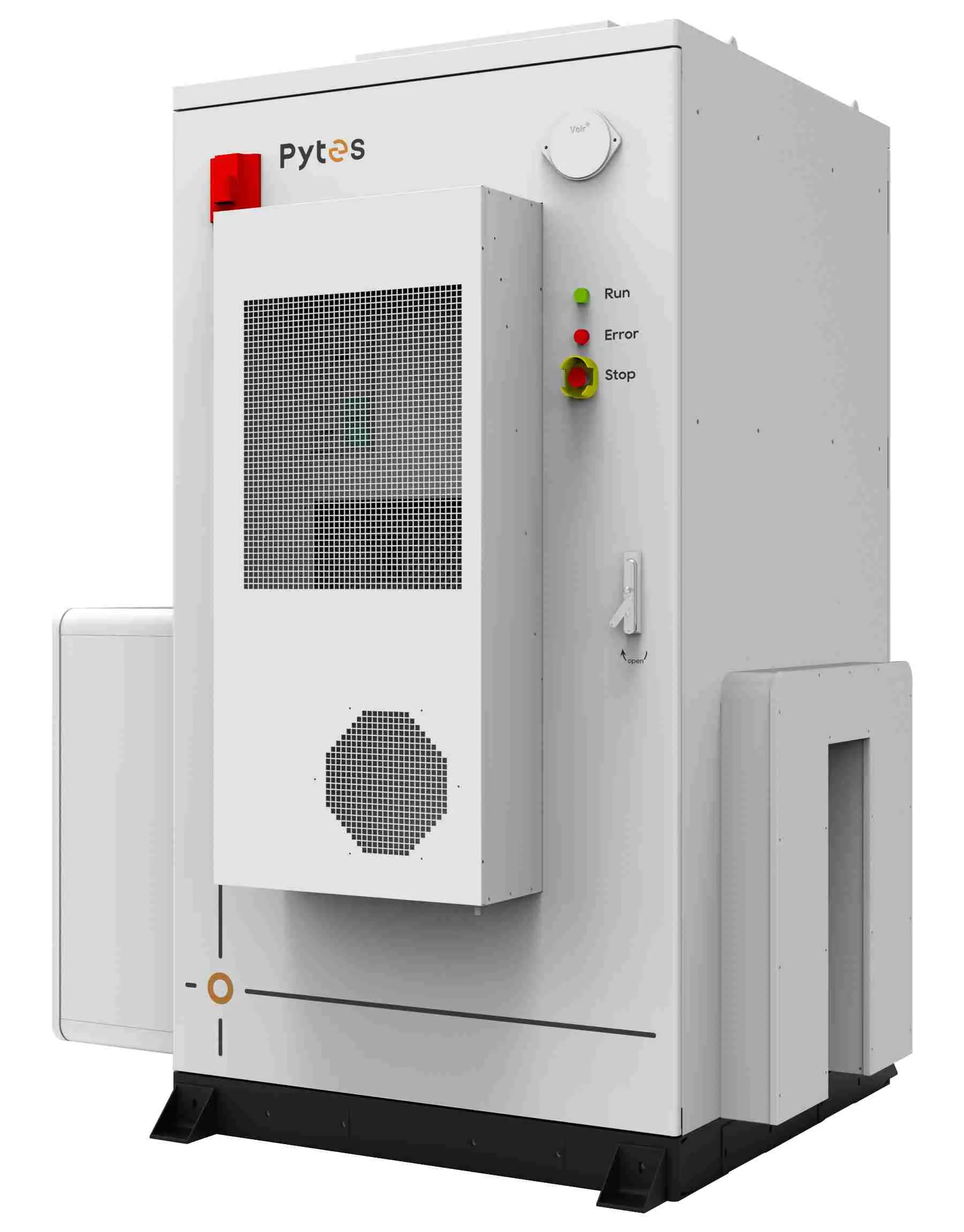
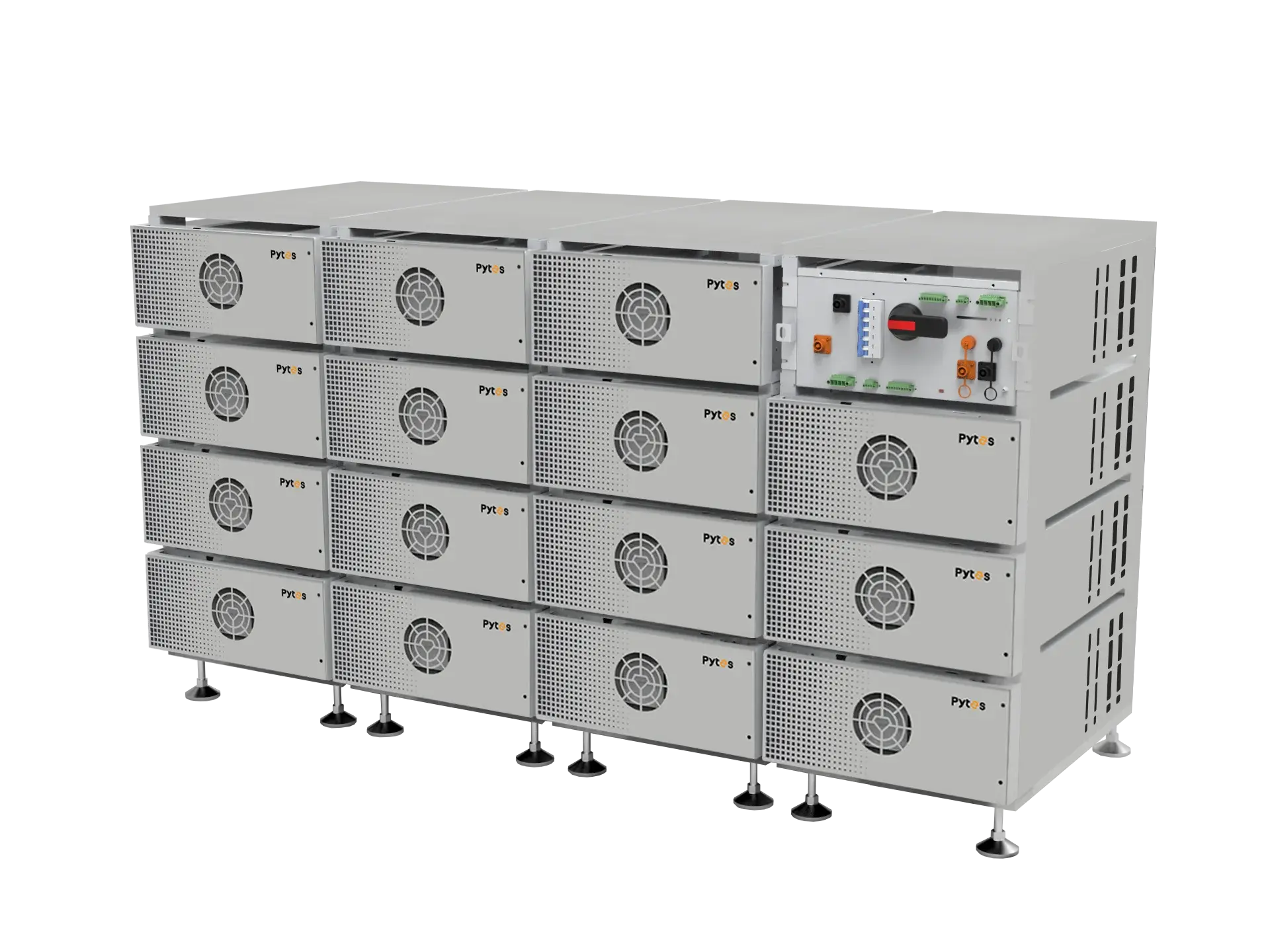
HV48300 Max and HV48300 Max SE are equipped with a forced air cooling system to manage heat generated during battery operation.
During charging and discharging processes, airflow is used to help dissipate heat from the battery system and maintain suitable operating temperatures.
The air cooling design provides an effective approach for thermal management in high-voltage energy storage applications.
Both battery systems feature a module-level fan design to improve internal airflow distribution.
By directing airflow at the module level, the system helps maintain more balanced temperature conditions between battery modules. This design supports consistent operation during different charging and discharging conditions.
The HV48300 Max SE includes an integrated heating function designed for low-temperature environments. When operating temperatures drop, the built-in heating system activates to maintain suitable battery temperature conditions—ensuring reliable performance and normal operation even in colder climates.
Thermal Management Feature | Function |
Forced air cooling system | Helps dissipate heat during battery operation |
Module-level fan design | Improves airflow distribution between battery modules |
Integrated heating function | Supports operation in low-temperature environments |
The HV48300 Max series employs a forced-air cooling architecture, a well-established thermal management approach in stationary energy storage.
Compared to liquid-cooled alternatives, this design eliminates the risk of coolant leakage, reduces long-term maintenance requirements, and simplifies overall system integration.
Module-level fan distribution ensures effective heat dissipation across all battery modules, while the integrated heating function guarantees stable operation even in low-temperature environments. The result is a thermal management system that balances performance with practicality—delivering peace of mind without unnecessary complexity.
The combination of forced air cooling, module-level fans, and integrated heating allows HV48300 Max and HV48300 Max SE to maintain suitable temperature conditions during operation.
Through this thermal management design, Pytes provides high-voltage battery systems suitable for applications requiring reliable temperature control under different environmental conditions.