
Newsroom
When a power outage occurs, a home battery can help keep essential appliances running—but only if the energy storage system is designed for backup operation. The battery, inverter, electrical circuits, and solar equipment must work together to provide reliable power.
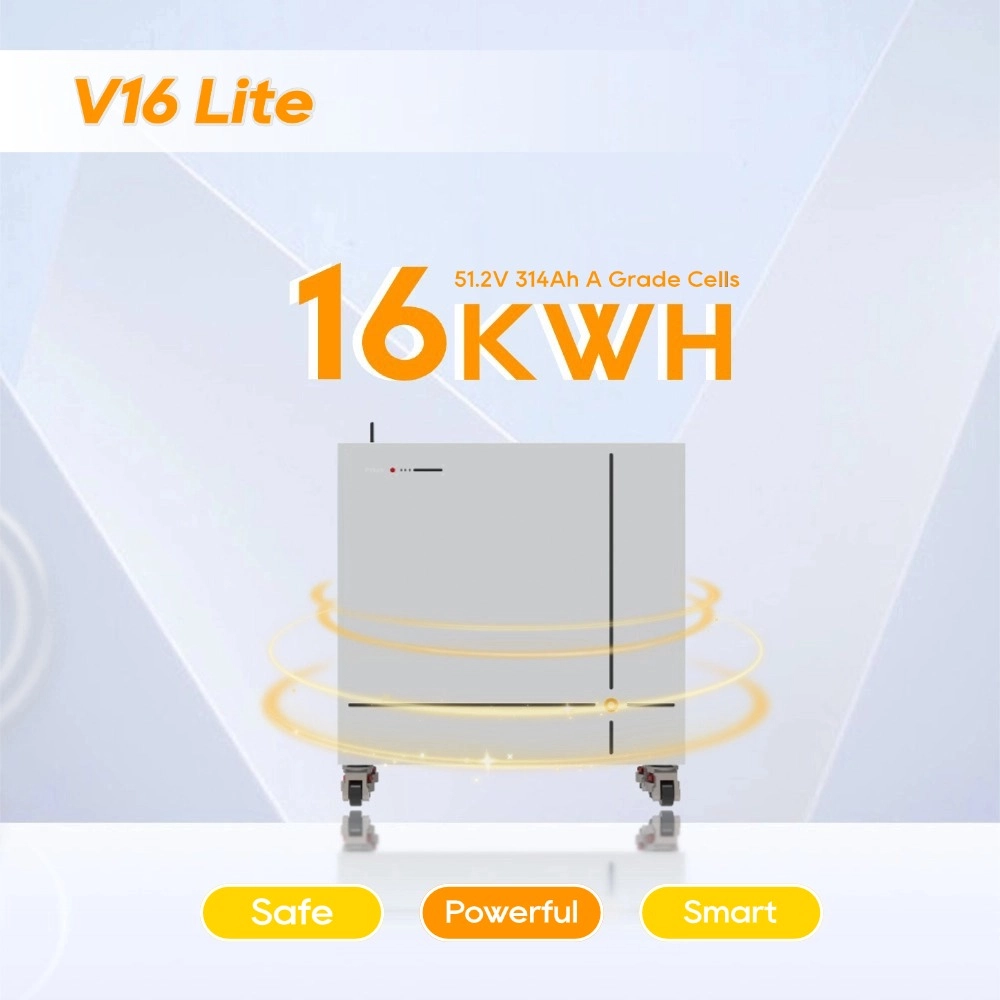
At PYTES, we offer the V16 Lite, a residential and light commercial energy storage battery with 16.07 kWh of nominal energy. When integrated with compatible equipment, it can be part of a home backup solution tailored to household energy needs.
When utility power fails, a properly configured backup system disconnects from the grid and uses a backup-capable inverter to supply designated household circuits.
The battery provides DC power, which the inverter converts into AC electricity for compatible appliances. The transition time depends on the inverter and system configuration.
A home battery alone cannot guarantee power during an outage. Before choosing the V16 Lite, homeowners should ensure that the inverter and electrical installation support backup operation.
Battery capacity influences how long a system can supply power, while output power affects which appliances can operate simultaneously.
The V16 Lite offers the following key specifications:
Nominal energy: 16.07 kWh
Nominal voltage: 51.2 V
Recommended discharge power: 7.68 kW
Maximum discharge power: 10.24 kW for up to 180 seconds
Peak discharge power: 15.36 kW for up to 15 seconds
These ratings represent different operating conditions and durations. Actual AC output also depends on inverter capacity, conversion losses, and system settings. Checking appliance running and starting power helps installers determine whether the system can meet the intended backup requirements.
Not every home battery installation powers the entire house. Many systems prioritize essential circuits, such as refrigerators, lighting, internet routers, and selected outlets.
High-power appliances, including electric ovens, water heaters, and large air conditioners, may exceed available system capacity when operated together.
For the V16 Lite, the recommended discharge power of 7.68 kW is one reference for load planning. The actual circuits supported depend on the inverter, electrical design, and combined load requirements.
Not every grid-connected solar system continues generating electricity during an outage. Conventional grid-following solar inverters generally shut down when the utility grid fails because of anti-islanding protection.
A properly configured solar-plus-storage system may continue using solar energy if its inverter and solar equipment support backup operation. Depending on the system design, solar power may supply household loads or recharge the battery.
When integrating the V16 Lite into a solar-plus-storage system, inverter compatibility and backup operating capabilities should be evaluated to determine whether solar generation and battery charging can continue during a power outage.
A basic estimate is:
Backup duration (hours) ≈ usable battery energy (kWh) ÷ average load (kW)
For example, 14 kWh of usable energy supplying an average load of 1 kW would provide approximately 14 hours of theoretical runtime. Actual runtime will vary with inverter losses, operating limits, and electricity consumption.
Although the V16 Lite has 16.07 kWh of nominal energy, this is not the same as usable AC energy delivered to appliances. Homeowners should estimate runtime based on essential loads and the complete system configuration.