
Newsroom
EV charging stations can experience high power demand when multiple vehicles charge simultaneously. The Pytes HV48300 MAX SE high-voltage battery energy storage system can be integrated into EV charging infrastructure to store electricity and discharge during peak charging periods, helping supplement grid power and manage site demand.
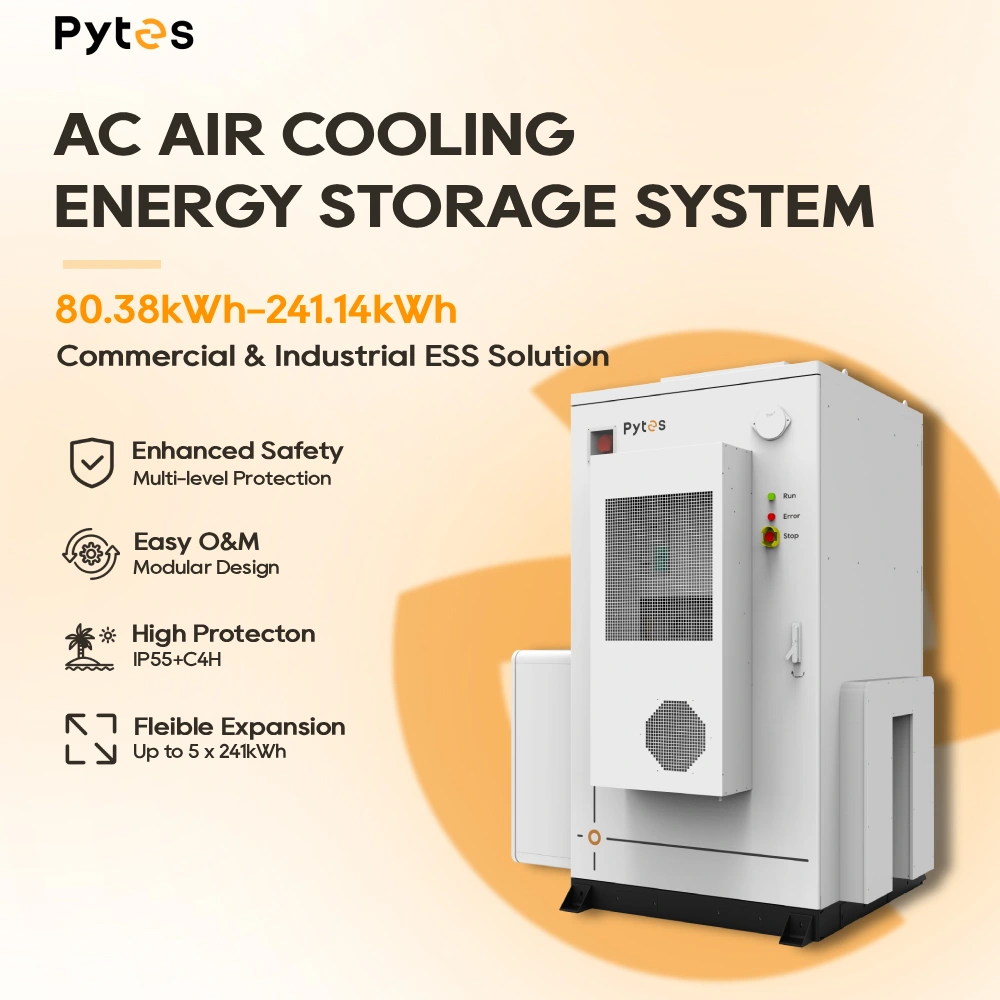
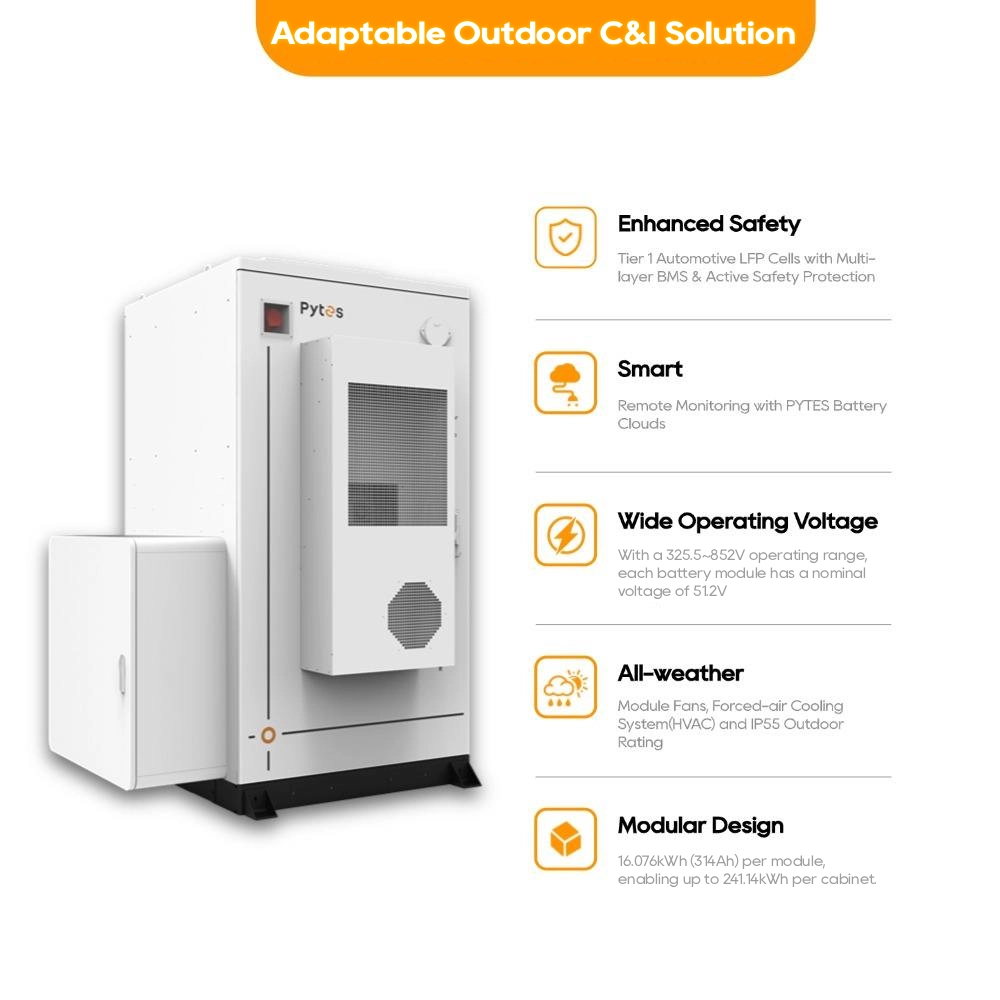
When EV charging demand rises above the site's grid supply limit, the HV48300 MAX SE can discharge to supplement the available power. Depending on the selected configuration, the system provides a rated power of 56.26 kW to 120.57 kW per cabinet, with peak charge/discharge current up to 205A. The actual support depends on battery output power, power conversion equipment capacity, and the site's energy management strategy.
The HV48300 MAX SE supports multiple battery configurations. Its listed 1P configurations provide rated energy ranging from 128.60 kWh to 241.15 kWh per cabinet. The system also supports a configuration with two 1P7S systems connected in parallel, achieving a capacity of up to 225.06 kWh. This allows system designers to evaluate the storage capacity required for peak charging periods based on charger demand and buffering duration.
Multiple HV48300 MAX SE cabinets can be connected in parallel to expand storage capacity for larger installations. The final configuration depends on charging station power requirements, available grid capacity, and compatible power conversion equipment.
The required battery configuration depends on three main factors:
Grid power limit: The maximum power available from the site's grid connection.
Charging demand: The combined power required by EV chargers operating simultaneously.
Buffering duration: How long the battery needs to supplement the grid during peak demand.
If charging demand temporarily exceeds the site's available grid capacity, the battery can provide supplementary power through a compatible power conversion system. Battery power determines how much additional load can be supported, while usable energy determines how long that support can continue.
System design should also account for conversion losses, battery state of charge, recharge time, and the required operating reserve.
The Pytes HV48300 MAX SE provides configurable high-voltage energy storage for EV charging station buffering projects. Selecting the appropriate battery configuration and matching it with compatible power conversion and energy management equipment are essential to meeting the site's peak power and energy requirements.