
Newsroom
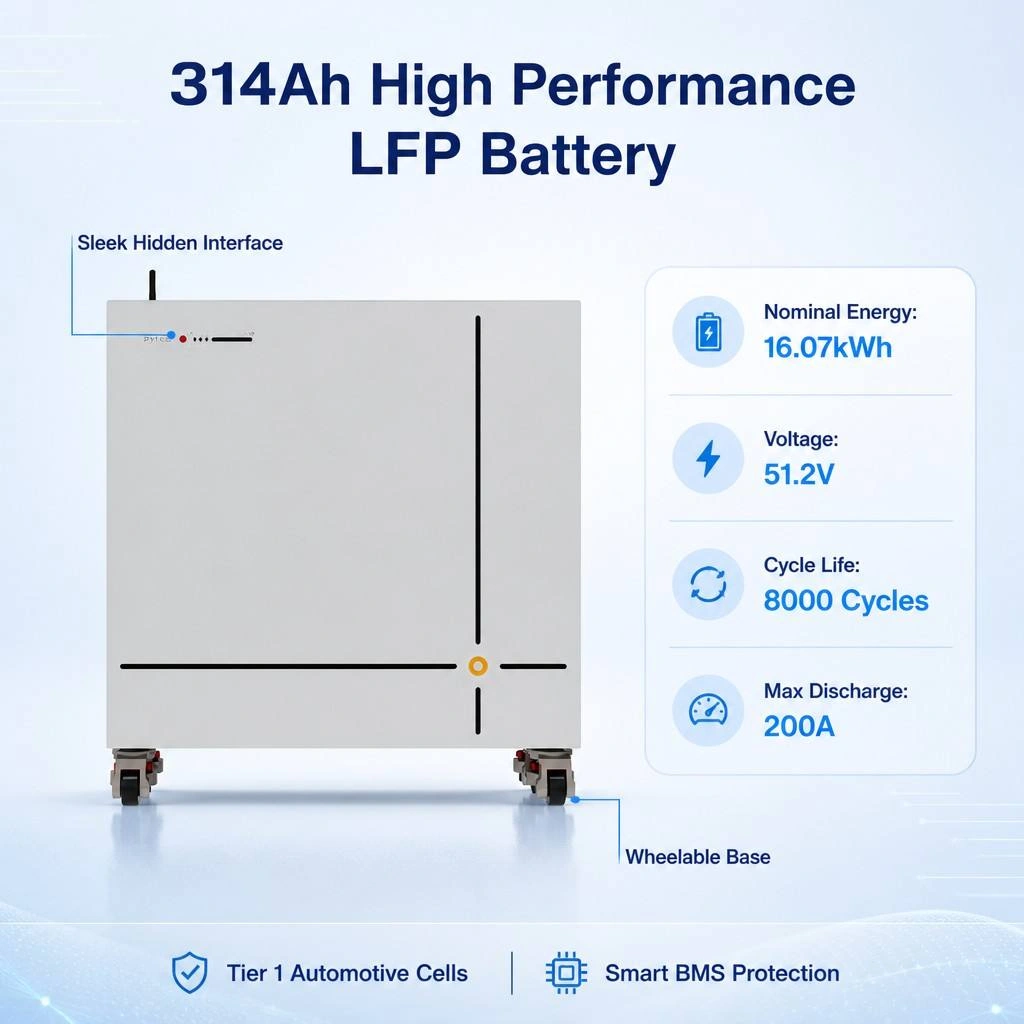
The Pytes V16 and V16 Lite low-voltage batteries support RS485, CAN, and WiFi communication, providing multiple connectivity options for battery-inverter integration and system monitoring. These interfaces support different communication requirements in residential solar energy storage and backup power systems.
RS485 supports data exchange with compatible inverters and energy management equipment. It provides a communication option for system integration and operating data transmission.
CAN enables communication between the battery and compatible inverters. Depending on protocol compatibility and system configuration, this communication supports the exchange of battery information for coordinated system operation.
The Pytes V16 and V16 Lite feature built-in WiFi communication, providing native connectivity for compatible monitoring functions. Available monitoring functions depend on the supported monitoring platform and system configuration.
Pytes V16 and V16 Lite are built on the same communication platform, both supporting RS485, CAN, WiFi, and dry-contact communication. Installers do not need to prepare two separate communication setups for the two models; instead, they can select the appropriate model based on different energy requirements.
These communication interfaces give installers multiple connectivity options when evaluating inverter compatibility and monitoring requirements for either battery model.
To ensure proper communication, verify the following before commissioning:
Inverter compatibility: Confirm that the selected inverter supports the Pytes battery model and its communication protocol.
Communication settings: Check the required RS485 or CAN protocol, wiring, and configuration.
WiFi monitoring: Verify the supported monitoring platform, network connection, and required settings.
System configuration: Ensure that communication interfaces and firmware meet the requirements of the complete energy storage system.